$12.00
From the bench
We keep a clean board because a loose screw or a grain of brass finds its way under a movement plate before the tweezers reach it. Dust settles where oil should go. Clean habits at the bench are not about tidy appearance. They decide whether a train arbor turns freely in its jewel or grinds against grit.
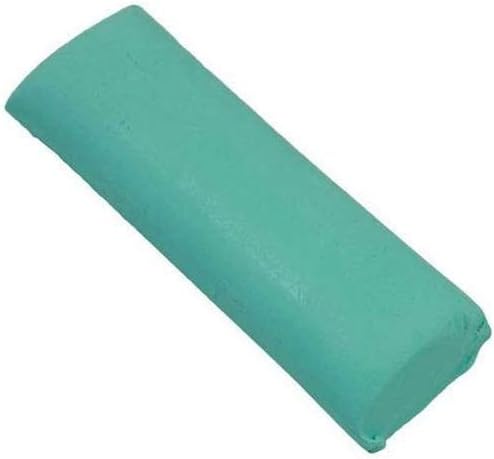
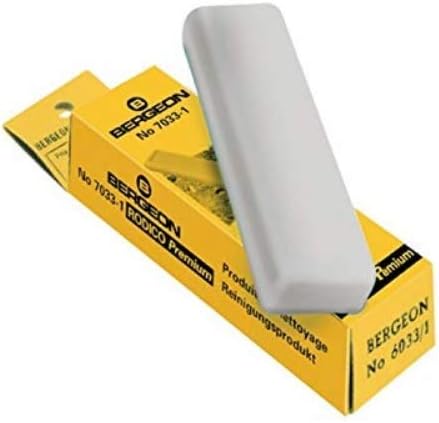
Rodico lifts old oil, dried grease, and fingerprints from plates and bridges. Press a freshly cut piece lightly against the metal rather than dragging it across the surface. Dragging smears whatever grease the putty picked up earlier across the grain of the brass. Fresh surfaces need fresh putty.
Tear off a clean face often. When putty turns gray from steel dust and grease, discard it. Leaving pieces of putty on a movement will leave behind trace oils. A wooden pegwood point pushes the mass into tight jewel sinks where tweezers cannot reach without marring the setting or chipping a jewel edge.
Keep open solvent jars away from the center of the mat. Splashes soften synthetic bench coverings and leave sticky films that trap filings. When a solvent dish rests directly in front of your hands, an accidental elbow strike empties fluid across loose parts and papers. Keep wash cups in heavy bases to the side.
Certain movement components will not tolerate immersion in strong solvents. Shellac on pallet stones softens when washed in alcohol. Modern balance springs and lacquered dial plates lose their coatings or shift position. We wash parts in small glass jars, dry them on pith wood, and bring only dry pieces back to the assembly area.
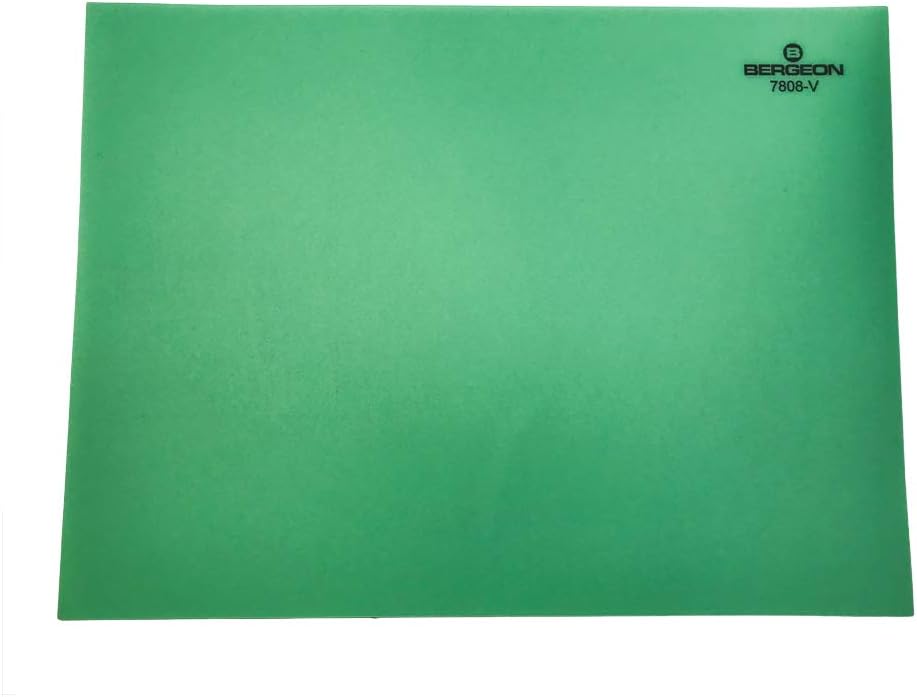
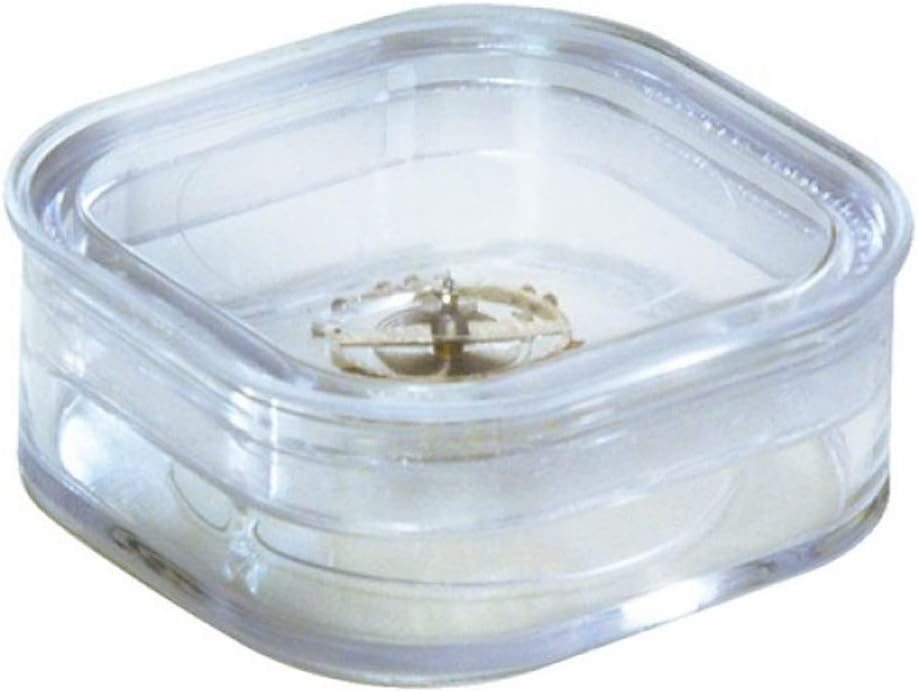
A bench mat gives contrast against small steel screws and cushions parts that drop from the tweezers. The lip on an assembly tray stops round pivots and wheels from rolling off the edge onto the floor. If a wheel drops to the mat, pick it up with tweezers, never your fingers.
Dust brushes sweep dry chips away from the working field. Use fine goat hair brushes for dials and brass work, keeping them separate from brushes used on dirty case parts. Cloths must remain lint-free. A thread caught under a balance cock stops the hairspring from breathing flat and true against the bridge.
A speck of grit inside a pivot hole stops a train cold. When this happens, do not force the train with a pegwood stick. Strip the bridge again, inspect the hole with a loupe, and clean the setting with fresh pegwood sharpened to a fine taper until the wood comes away dry.
Put tools back in their racks as each stage finishes. Tweezers belong in their stand, not resting on the mat where their points bend or collect grease. Screwdrivers return to their carousel. The bench clears before the next casing ring arrives, so you never search through clutter for a dropped click spring.
Prices are as our retail partner last showed them.
$12.00
$12.00
$49.50

$39.00
$14.99

$34.99
A clear bench lets you see what is before you. Put away the screwdrivers, brush the mat clean, and cover the movement holder under a glass bell. The next watch begins on clean paper with ground tools in their proper stands.
What the parts of a Bergeon reference number mean, why the number is how a tool is asked for, how a suffix marks a size or a variant of the same family, and how to find the spare blade for a handle you already own.
Why a screwdriver is chosen by the width of its blade rather than by its name, what happens to a screw head when the blade is a step too narrow, how the blades are stepped through the range, and how a worn blade is dressed or swapped.
The order of work when a strap or bracelet comes off: which end of the spring bar tool does what, the difference between a fork end and a pin end, drilled lugs against closed lugs, and why the bracelet is held rather than gripped.