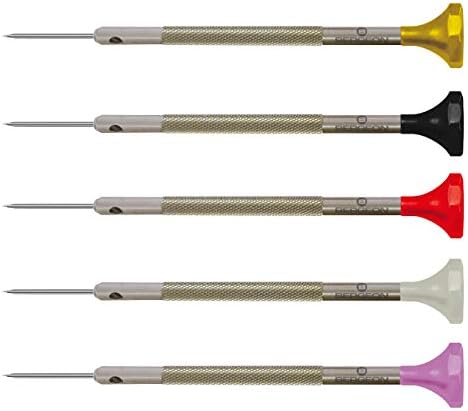
$78.89
From the bench
Every tool we grind at Le Locle carries a reference number stamped into its metal or recorded in our records. Watchmakers use these numbers to name an exact pattern across the bench. Learning how the sequence fits together tells you the pattern family, the specific variant, and the correct replacement piece when edge wear demands a fresh fit.
A base catalogue number identifies the core design of a tool. It defines the geometry of a frame, the threading inside a chuck, or the balance of a handle. When we build a family of drivers or tweezers, the base digits stay constant across the group. This shared root tells you that the tools share their primary method of manufacture and handling characteristics.
Knowing the root digits saves time at the bench. When you reach for a tool that balances correctly in your fingers, checking the stamped root lets you identify the entire series built on that same chassis. It anchors the tool within our system of patterns that we have maintained at Le Locle since 1791 without shifting definitions between generations of makers.
Letters and trailing figures attached after the root mark the specific working dimensions or alloy choices. A driver handle might share its body casting with six others, but the suffix denotes the width of the ground tip fitted to the collet. Other letter codes designate non-magnetic brass tips, synthetic points, or hardened steel variants shaped for specific screw heads.
Reading the tail of the reference keeps you from dressing the wrong profile for an operation. A small suffix variation shifts how a tip seats into a screw slot or how an arm tensions against a pivot. Watchmakers track these tails so the correct profile meets the component without binding against the slot walls or bottoming out in the recess.
Trouble starts when someone orders a replacement tip using only the root number or by visual guesswork. A blade shank that is slightly undersized rocks inside the collet screw. The loose shank transfers torque unevenly, slips out of the slot under hand pressure, and leaves a heavy burr across the polished bridge. An oversized shank splits the locking collar.
To correct a sloppy fit, read the stamped tail on the original handle rather than guessing the dimension by eye. If the stamp has worn away through decades of bench use, gauge the shank bore directly before selecting the blade suffix. Seating the exact spare restores rigid alignment between the turning axis of the handle and the working edge.
Every removable component links directly back to the reference of the tool body that carries it. Spare blades, replacement pins, and alternative jaws carry their own sub-references that mirror the parent code. When a blade dulls beyond the reach of an oilstone dressing, you match the replacement code to preserve the original balance and clamping depth of your handle.
Keeping a ledger of your bench tool references makes reordering spares straightforward. You do not need to measure thread pitches or collet diameters each time an edge chips. The catalogue system preserves the link between the holder you own and the replacement parts ground to fit it, keeping your hand familiar with the tool weight across years of movement service.
Prices are as our retail partner last showed them.
$78.89
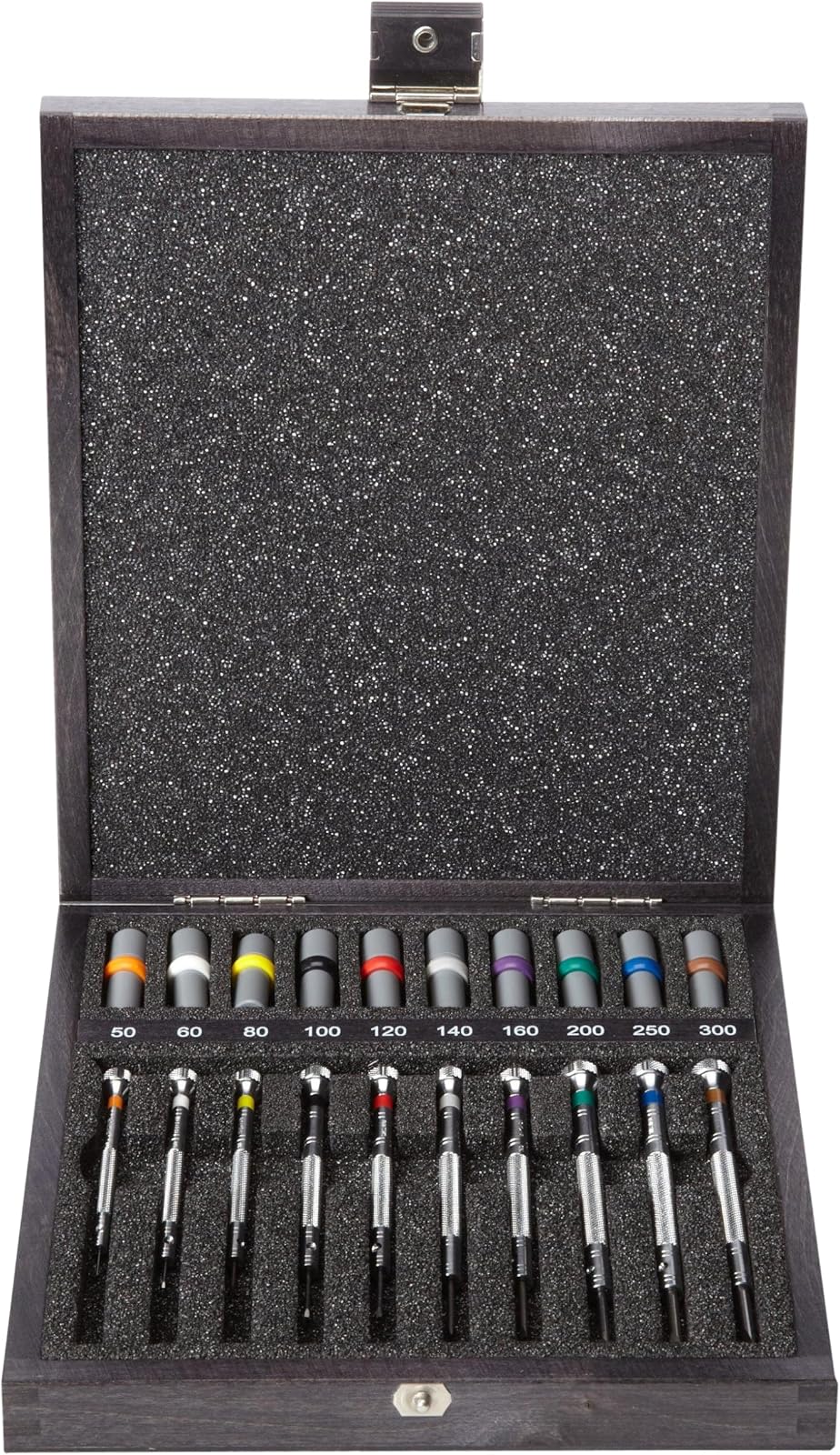
$299.00
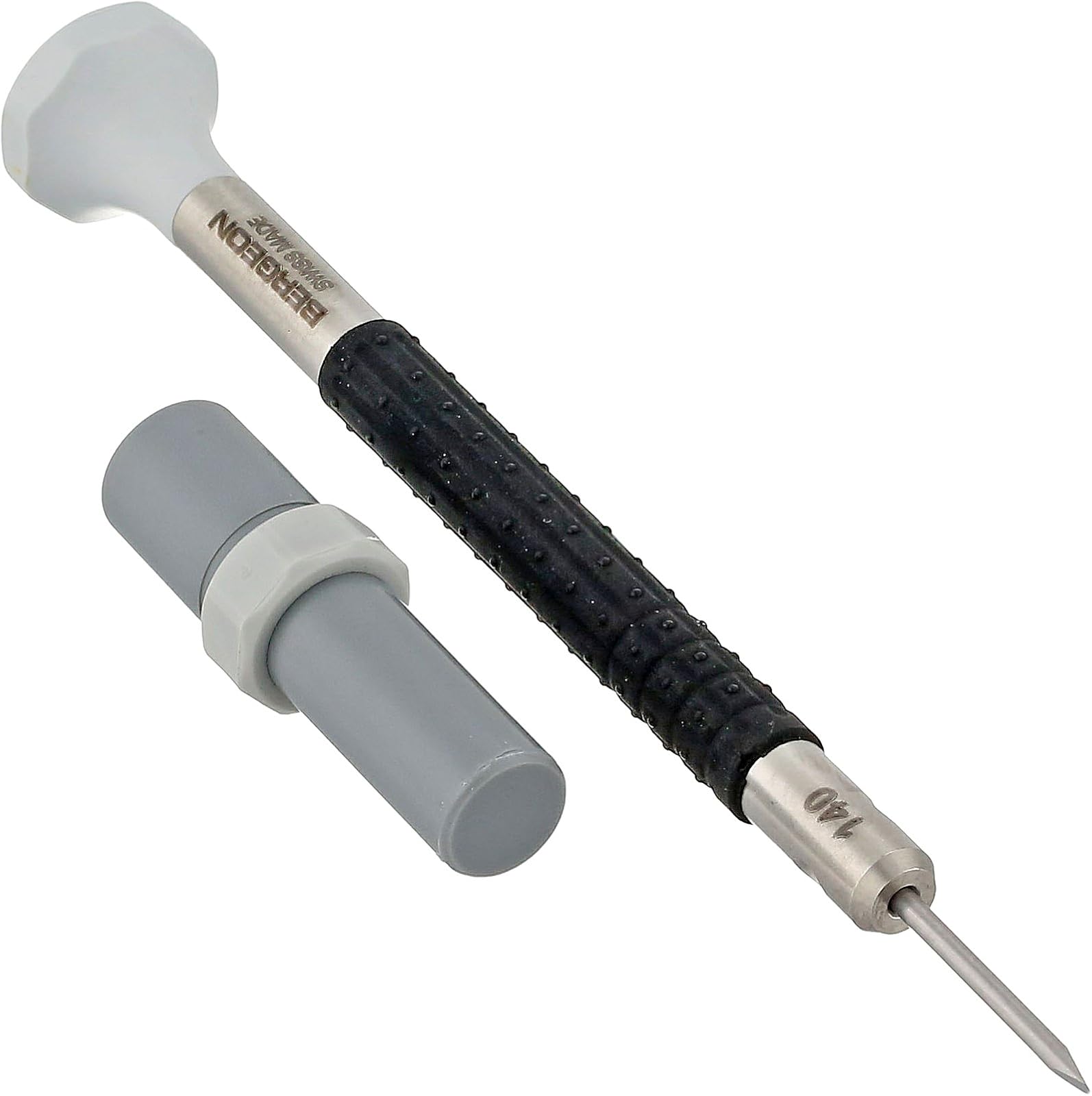
4.5 from 108 notes
$21.95
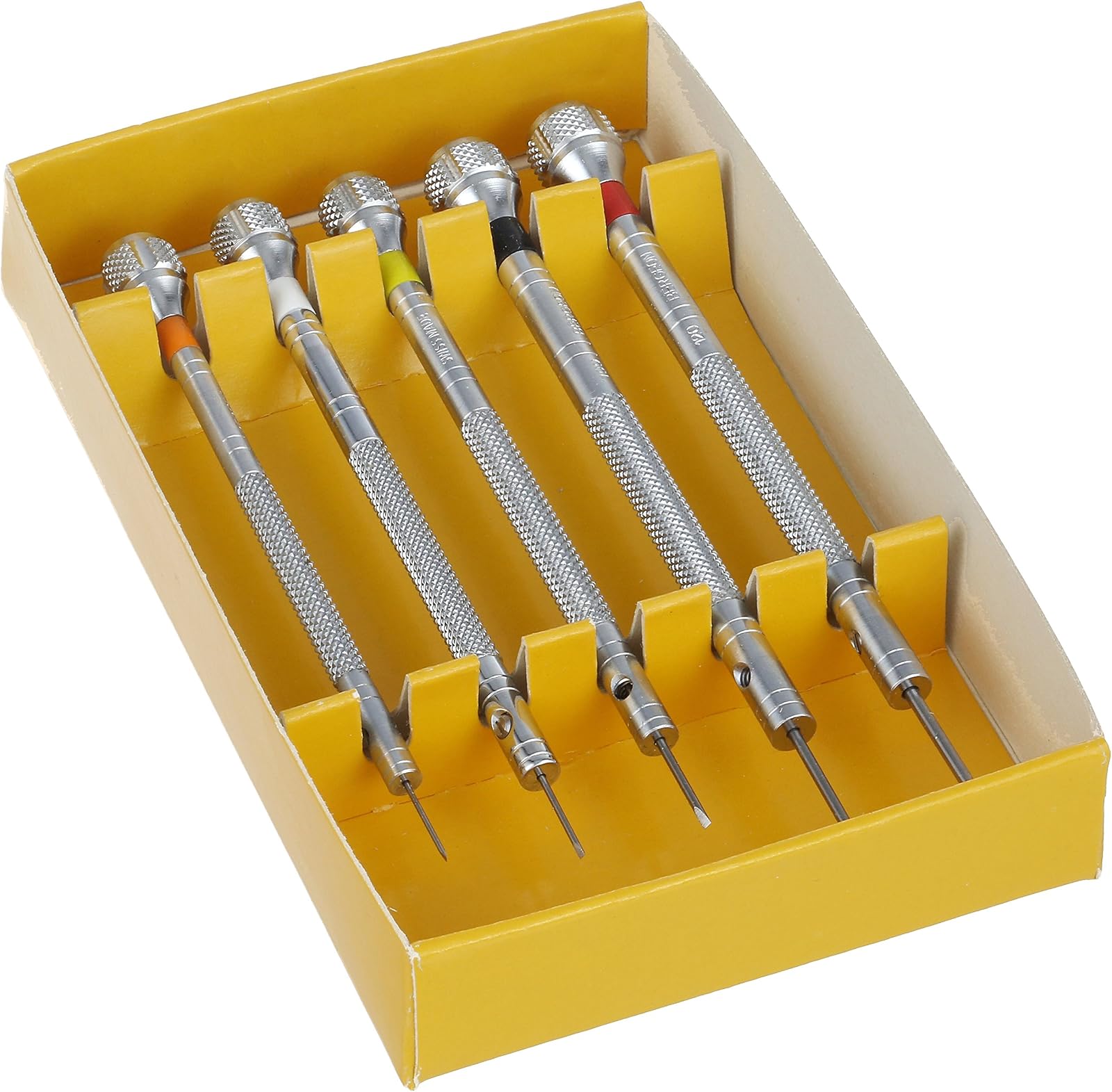
$89.00
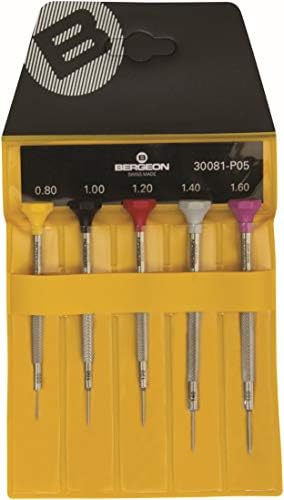
4.7 from 38 notes
$86.99
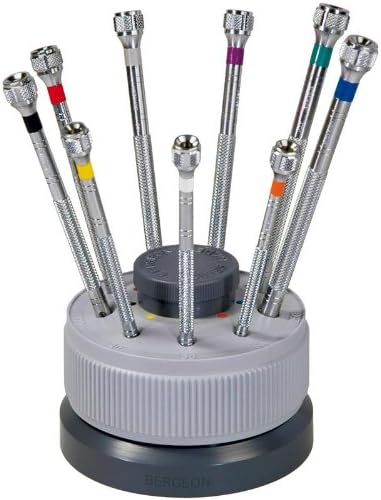
4.6 from 9 notes
$270.00
A catalogue number is a precise description of tool geometry, not arbitrary bookkeeping. Learning the roots and suffixes lets you maintain handles for decades, swapping ground blades and pins with certainty that every replacement matches the original balance of your bench setup.
Why a screwdriver is chosen by the width of its blade rather than by its name, what happens to a screw head when the blade is a step too narrow, how the blades are stepped through the range, and how a worn blade is dressed or swapped.
The order of work when a strap or bracelet comes off: which end of the spring bar tool does what, the difference between a fork end and a pin end, drilled lugs against closed lugs, and why the bracelet is held rather than gripped.
Snap backs against screw backs against monobloc cases, how a case key and its dies engage a fluted rim, why the case is held in a holder rather than in the hand, and what to do when the back has been opened badly before.