
$20.00
From the bench
Every watchmaker learns the spring bar on a case they wish they had treated differently. We grind tool points for this task at Le Locle because a fork that sits badly against the shoulder climbs out under load. The work asks for quiet fingers, a stable case cushion, and an understanding of where the spring force travels.
A case tells you how to approach it before you pick up a tool. Drilled lugs show open holes on the outside flanks, which means the spring bar can be compressed straight through the wall using a plain round pin point. Closed lugs hide the bar entirely and require the fork to enter from the underside of the case.
We see people force forks into drilled lugs from behind out of habit. That method risks the flank finish when the fork jumps. When a hole exists on the flank, the round pin presses the pivot directly, releasing the tension without rubbing against the inside faces of the lug horns.
Our spring bar handles hold two distinct tips for two distinct seatings. The round pin tip pushes through pierced lugs or releases deployant clasp micro-adjustments where clearance is tight. It has no edges to bite into steel, only a flat face that meets the pivot head squarely under steady thumb pressure.
The fork tip addresses flanged spring bars nestled behind solid lugs. The wide fork works into leather or rubber cutouts where the material gives way easily. The narrow fork slips between the solid end link of a steel bracelet and the inner lug wall, catching the small machined ridge of the spring bar collar.
The common failure happens when the spring bar compresses halfway and jumps free. A slipping fork travels instantly across the brushed surface of the lug underside, leaving a bright furrow. If the spring bar releases while tilted, the free pivot can snap against the inside edge of the lug hole, burring the entrance.
When a slip leaves a burr inside the lug hole, a fresh bar will not seat home. We stone the inner horn flat again with a fine abrasive slip before fitting new parts. If the bar flies across the bench, discard it; a bent pivot will never center correctly in its seat.
Hold the watch case and bracelet in your hand rather than clamping the metal in a rigid vise. Your fingers feel the spring give way before your eyes see the gap open. Squeeze the bracelet end link lightly inward toward the case center while the fork retracts the shoulder.
Gripping the metal link with heavy pliers crushes the hollow tabs and scores the outer finish. Light finger pressure keeps the compressed pivot trapped under the lug horn until you deliberately guide it out backward. Release the tension slowly so the internal spring does not launch the tube.
Prices are as our retail partner last showed them.
$20.00
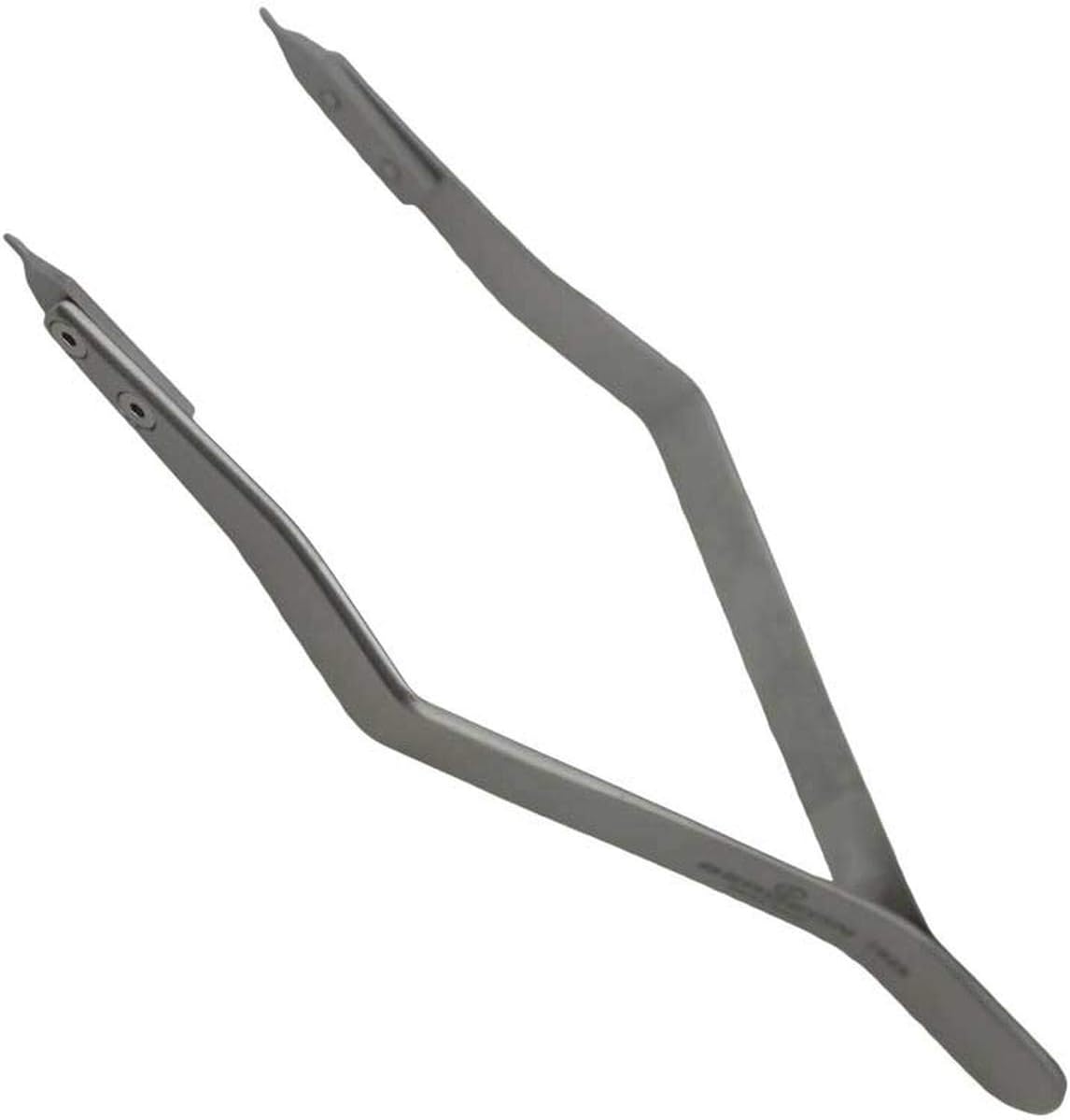
$124.45
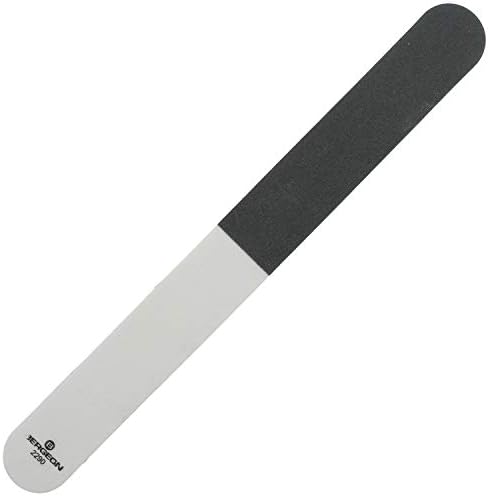
$14.99
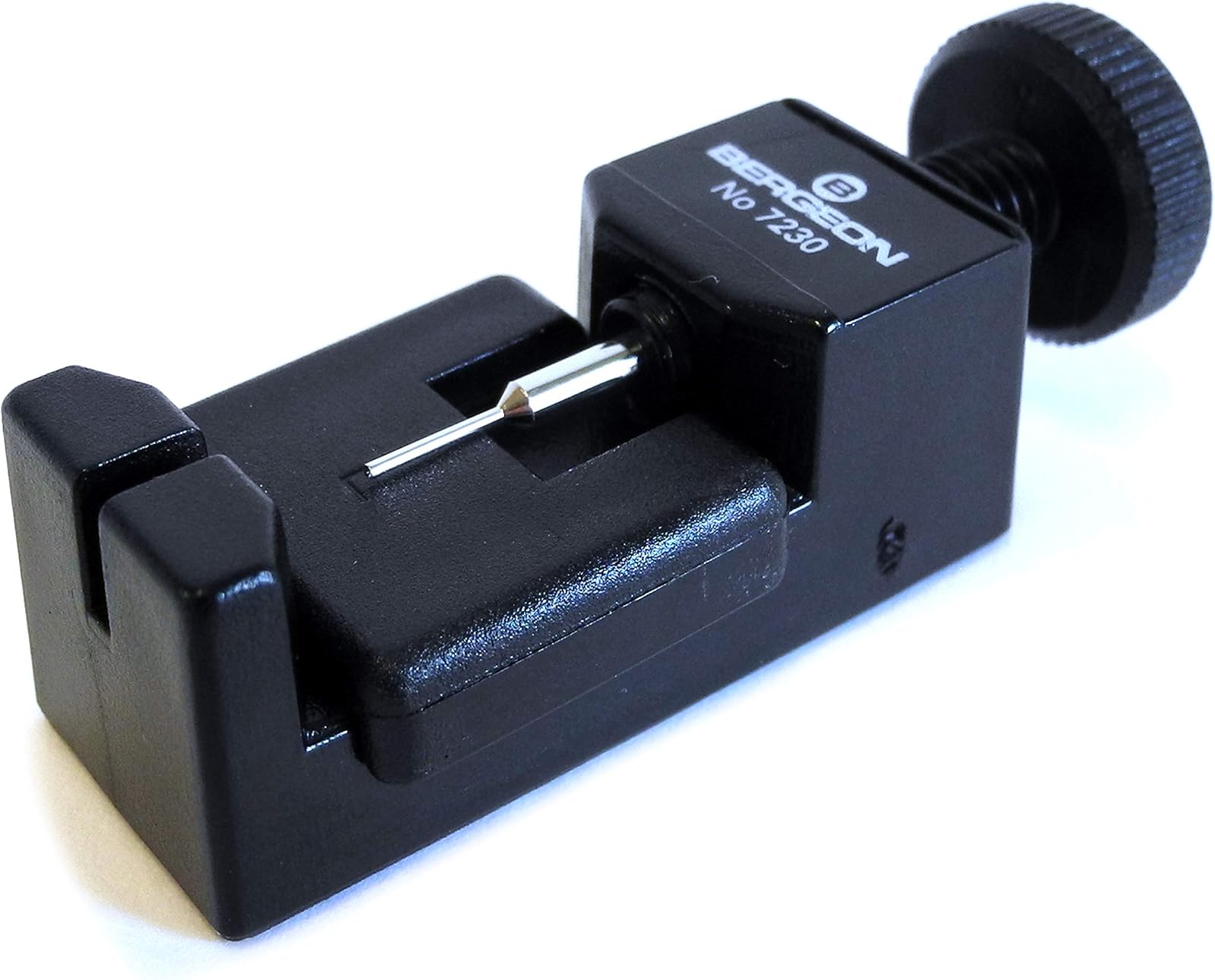
$22.49

$24.95
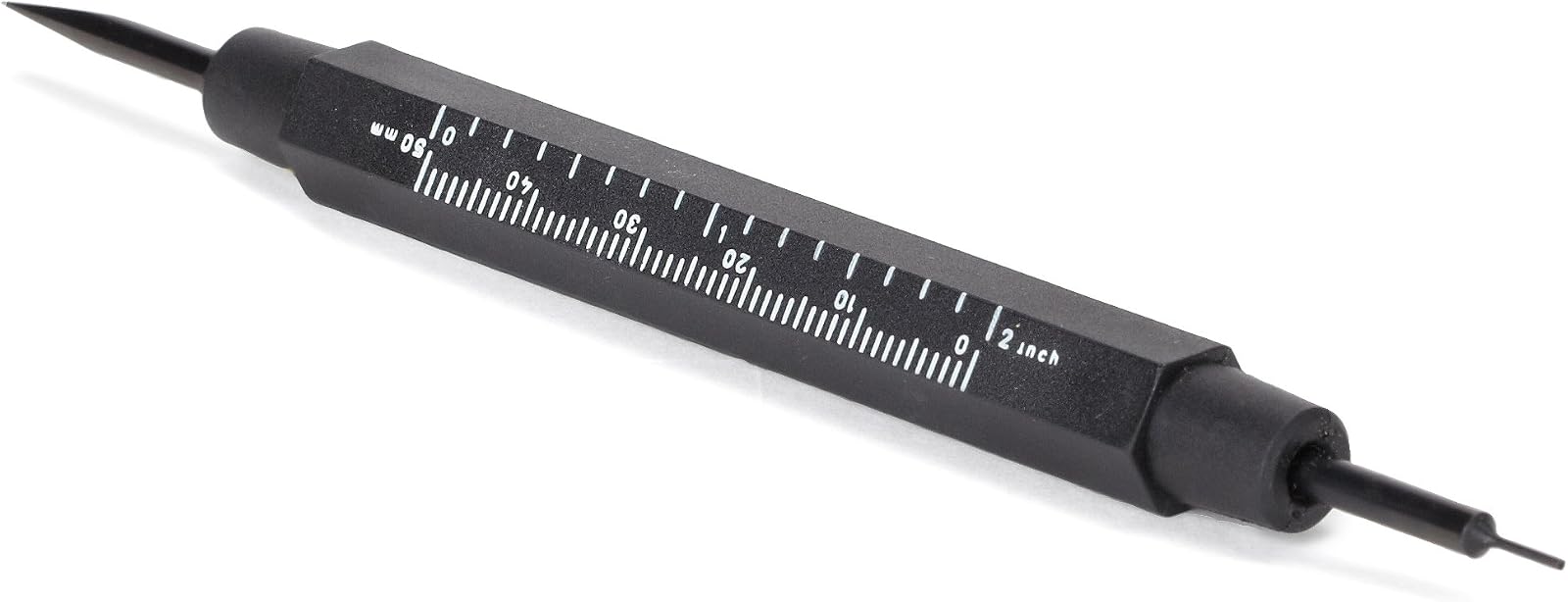
$31.95
Work from the back of the case whenever using a fork tip. Take the time to seat the tool firmly against the bar flange before applying pressure. When the pivot retracts, ease the end piece away without rushing the spring.
Snap backs against screw backs against monobloc cases, how a case key and its dies engage a fluted rim, why the case is held in a holder rather than in the hand, and what to do when the back has been opened badly before.
Why oilers come in graded sizes, what an oil cup with a lid is for, why the oil is picked up from the cup and not from the bottle, how a jewel takes a drop, and how oilers are cleaned between grades.
Cleaning putty and what it lifts, why solvents are kept away from some surfaces, the point of a bench mat and a tray with a lip, cloths and brushes, and how tools are put away so the next job starts on a clear board.