$18.95
From the bench
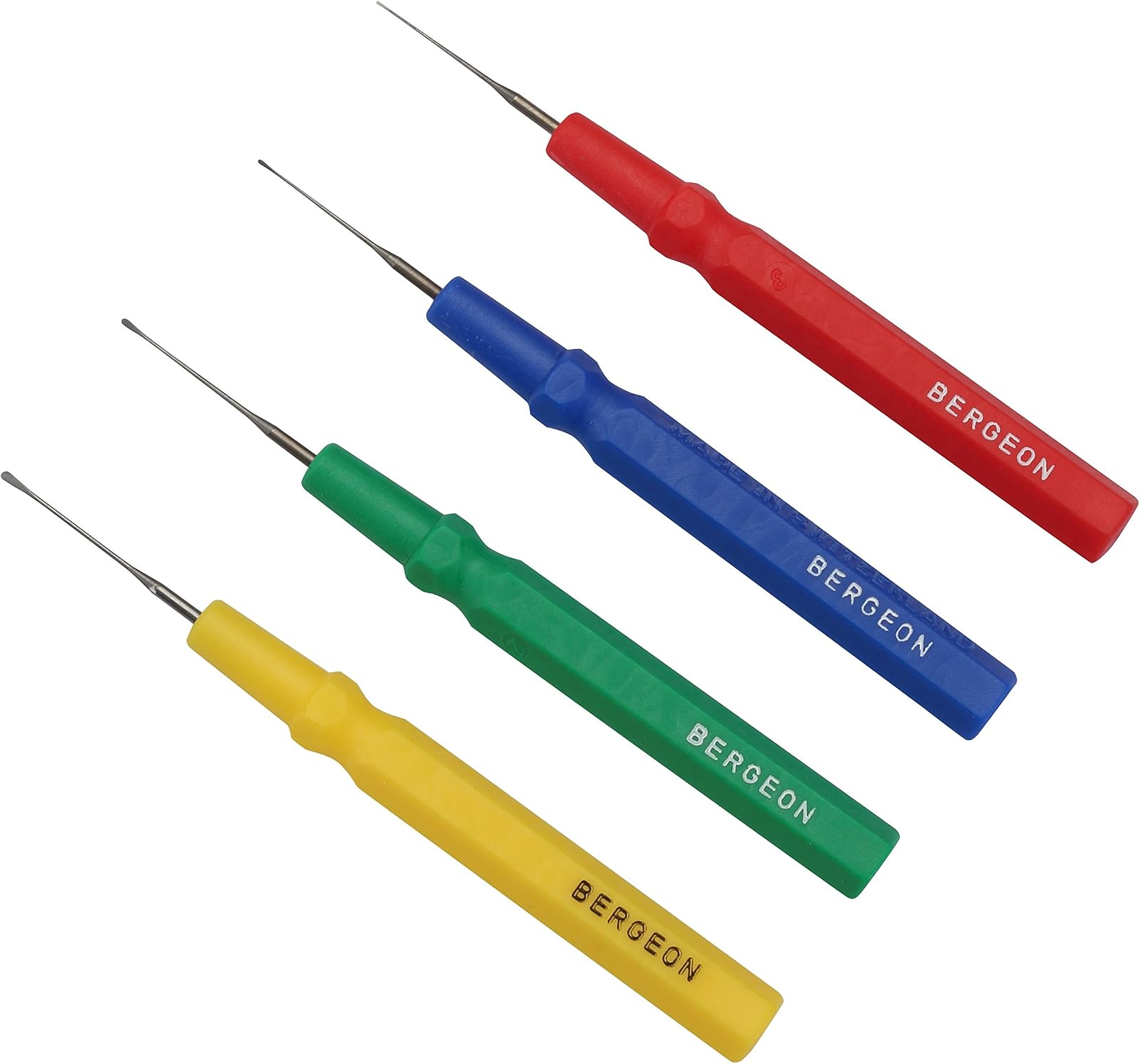
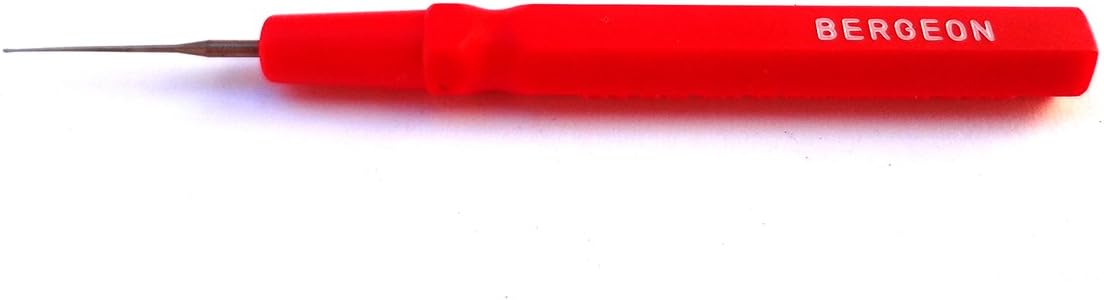
A watch movement needs little oil, but it needs that oil in exact spots. We shape our oilers with spade tips to hold a measured quantity by surface tension. Dipping directly into a stock bottle invites dust and ruins a batch. You work instead from a covered oil cup on the bench, choosing the tip size that matches the jewel.
A stock bottle stays shut until you charge the cup. Dust drifts across any room, settles on open fluid, and turns fresh lubricant into grinding paste. We use agate or ceramic wells set into heavy metal bases that sit flat without sliding. You place a single droplet into the well and close the lid immediately between dips.
Leaving the cover back lets bench debris fall inside within minutes. Keep the well shallow so you see the bottom clearly. When you dip, you take fluid only from the middle of the drop. Never scrape the bottom of the well with the metal tip, because that motion can lift settled particulates back into the clean charge.
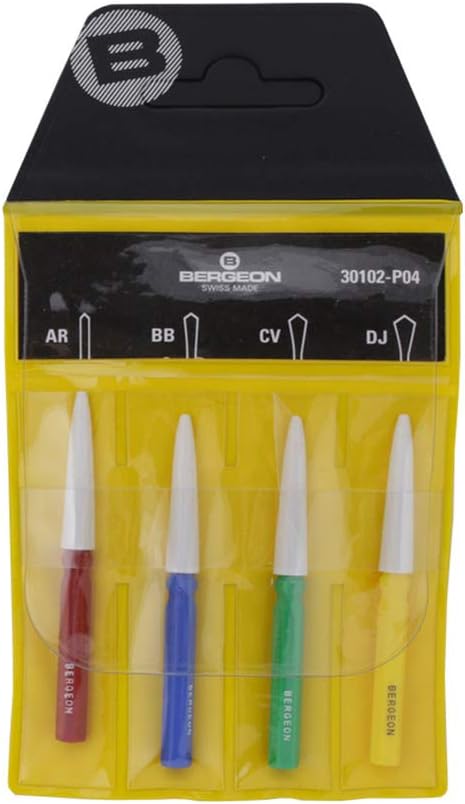
Surface tension holds the fluid to the spade tip. A larger spade lifts more volume, which is why we grade our oilers by blade width. You touch the flat of the tip to the surface of the oil in the cup, lift straight up, and check the bead against the light under your loupe before moving to the movement.
Bring the loaded tip straight down to the pivot and jewel hole. Capillary action draws the droplet off the blade and into the sink of the stone the moment contact happens. You do not smear or wipe the blade across the setting. If the drop stays on the tip, the stone is contaminated with old residue or grease.
An overloaded oiler floods the jewel. When excess fluid reaches the outside wall of the setting, surface tension breaks and the entire charge creeps away from the pivot, leaving the friction surface dry within days. A flooded cap jewel also risks fouling the hairspring coils nearby.
You cannot scrape excess oil away with a dry tip once it runs over the stone. You must strip the setting, wash the jewel and pivot in solvent, and dry them before trying again. If an oiler picks up dust, stab the blade into clean pith wood or press it into fresh Rodico before returning to the well.
A watch requires different viscosities on different wheels. You never move an oiler from a heavy grease well into a light balance oil without thorough cleaning. Residue carried on the metal tip alters the viscosity of the lighter fluid in the cup, destroying the separation of lubricants on your bench.
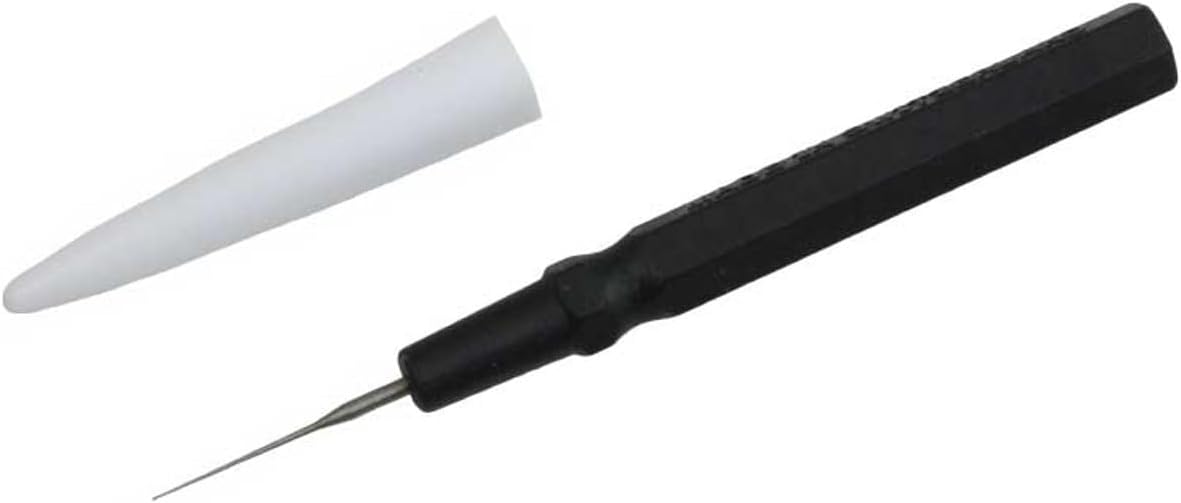
Pith wood cleans the spade without bending the fine wire. Push the tip into the dry core of the pith, rotate it once, and pull it out. A quick press into Rodico removes remaining films. We check every tip under high magnification before changing to another fluid cup to ensure no fibers cling to the metal.
Prices are as our retail partner last showed them.
$18.95
4.5 from 141 notes
$7.79
4.7 from 133 notes
$8.00
$28.00
$35.95

5.0 from 8 notes
$8.99
Lubrication succeeds on patience and cleanliness. We make our tools to give you direct control over microscopic volumes, but the habit of wiping the tip, covering the well, and checking under magnification belongs to the hands at the bench.
Cleaning putty and what it lifts, why solvents are kept away from some surfaces, the point of a bench mat and a tray with a lip, cloths and brushes, and how tools are put away so the next job starts on a clear board.
What the parts of a Bergeon reference number mean, why the number is how a tool is asked for, how a suffix marks a size or a variant of the same family, and how to find the spare blade for a handle you already own.
Why a screwdriver is chosen by the width of its blade rather than by its name, what happens to a screw head when the blade is a step too narrow, how the blades are stepped through the range, and how a worn blade is dressed or swapped.